Live music is something that many people enjoy, but it also comes with risks that are often overlooked. Concerts and live events frequently have sound levels that go beyond what is safe for our ears. This means that anyone attending, no matter where they are in the venue, may be exposed to noise that can cause lasting hearing damage.

There is a common belief that only people who attend concerts regularly or stand close to speakers are at risk. However, even a single exposure to loud music can lead to hearing loss, ringing in the ears or other lasting problems. Being aware of these risks and taking simple precautions can help protect your hearing without having to give up the enjoyment of live performances.

How Loud Noises Can Affect Your Hearing

Loud sounds can harm your hearing by affecting the tiny structures inside your ear that help process sound. When exposed to loud noise for too long or at very high levels, these delicate parts can get damaged and stop working as they should. This kind of damage usually can’t be fixed because those parts don’t regenerate. Even brief exposure to sudden loud noises, like fireworks or blasting music, can cause lasting problems. Over time, regularly being around loud sounds can lead to hearing loss or constant ringing in your ears, which can make everyday activities more difficult. Protecting your ears from loud noises is key to keeping your hearing in good shape.

How Loud Concerts and Events Can Impact Your Hearing

Concerts and live events often expose attendees to sound levels that can be damaging to hearing. The volume at many of these venues regularly surpasses what experts consider safe, putting stress on the delicate structures inside the ear. Even if you don’t notice any discomfort right away, exposure to very loud music can harm the tiny hair cells that help process sound. This damage builds up over time and may eventually result in hearing loss or ringing in the ears, known as tinnitus.

The risk isn’t just for people standing close to speakers or those who attend concerts regularly. Even occasional visits to loud events can affect your hearing, especially if you don’t take precautions. The effects of loud noise tend to accumulate, meaning each exposure increases the chance of damage. Using earplugs or moving to quieter areas during shows can help protect your ears. Being aware of how loud environments impact hearing can help you enjoy live music while keeping your ears safe in the long run.

Knowing Safe Sound Levels and How Long Is Too Long

It’s not always easy to tell when sound is too loud or when you’ve been exposed for too long. If your ears feel tired, start ringing or if you have trouble hearing after a concert or event, your body is telling you it needs a break. Sounds above 85 decibels, like busy traffic or loud music, can start to damage your ears if you’re around them for too long. The louder the noise, the shorter the time your ears can handle it without risk. For example, exposure to 100 decibels should be limited to just 15 minutes to avoid harm. Knowing these limits helps you make smarter choices about when to use ear protection or take breaks from noisy environments. By paying attention to both how loud the sound is and how long you’re exposed, you can better preserve your hearing health over time.

Recognizing Signs of Hearing Damage After Loud Music

Noticing signs of hearing damage after loud music is important for protecting your ears in the future. Common signs include ringing in your ears, muffled sounds or difficulty understanding speech. If you notice these changes after a concert or event, it could mean your ears have been exposed to sound levels that are too high.

Why Young People Face Greater Risks from Loud Events

Young people often face higher risks from loud events because they tend to spend more time in noisy places like concerts and sporting events. These activities are popular among teens and young adults, leading to more frequent exposure to loud sounds. Younger ears are still developing, which makes them more sensitive to damage from loud noise. Taking steps now to protect your hearing can help keep your ears healthy for years to come. Small changes today can make a big difference later.

Exploring the Different Types of Hearing Protection Available

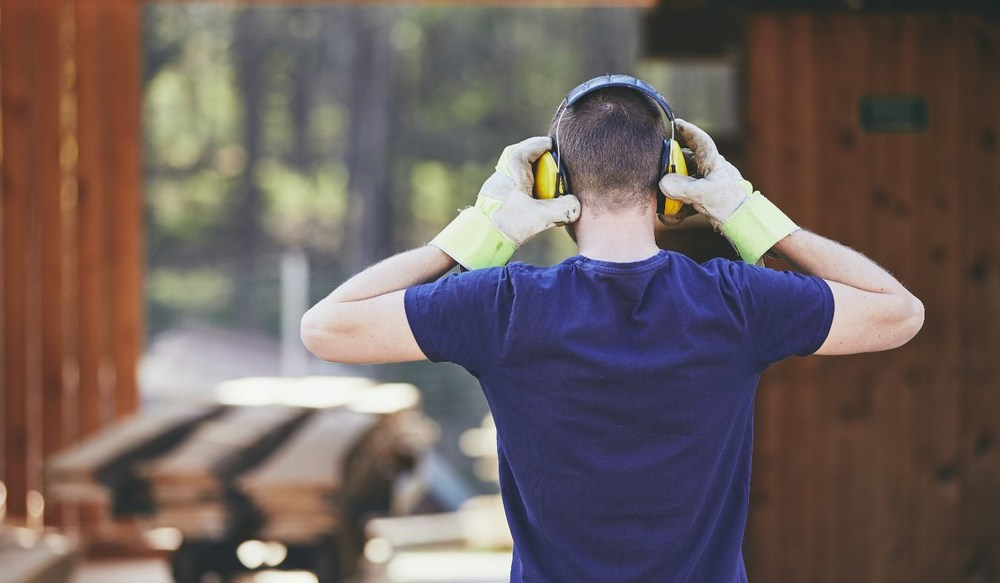
There are several types of hearing protection you can use at concerts and events. The most common options are foam earplugs, custom-molded earplugs and earmuffs. Foam earplugs are easy to find and fit most ears. Custom-molded earplugs are made just for you and can be more comfortable for long use. Earmuffs cover the entire ear and provide strong protection, making them a good choice for very loud environments. Choosing the right hearing protection lets you enjoy your favorite music or event while keeping your ears safe.

Choosing the Best Earplugs for Concerts and Festivals

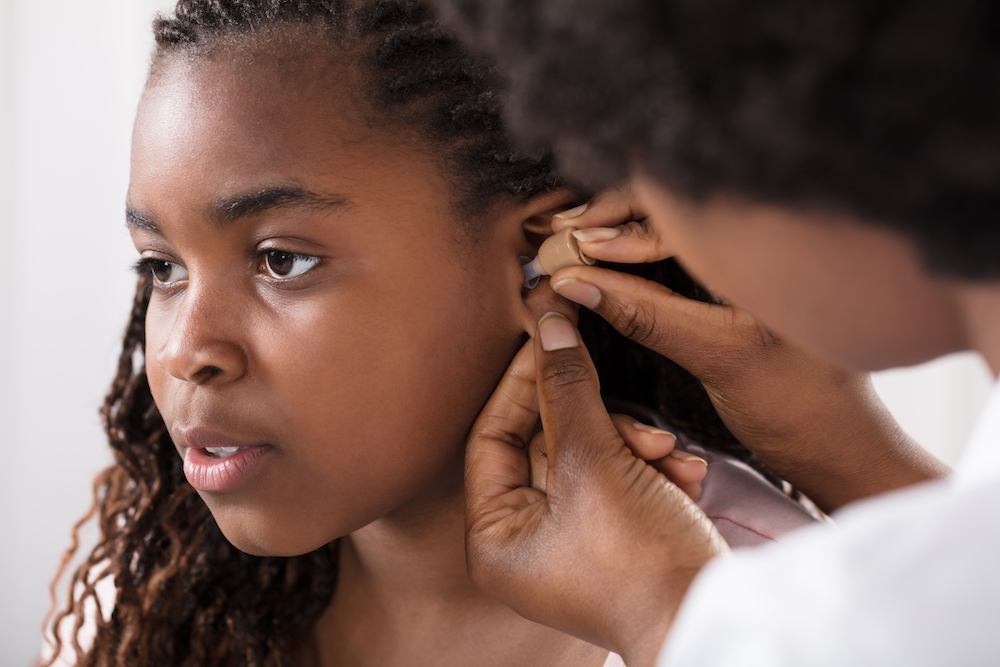
Picking the right earplugs for concerts and festivals can make a big difference in how much you enjoy the music while keeping your hearing safe. Not all earplugs are the same look for ones made for music instead of basic foam plugs from a drugstore. Music earplugs lower the volume but keep the sound clear, so you can still enjoy the music at a safer level. If you’re unsure which type is best for you, an audiologist can help you find earplugs that fit well and meet your needs.

Building Lasting Habits for Hearing Safety at Events

Developing good habits for protecting your hearing at events is important for long-term ear health. Simple actions, like carrying earplugs with you and wearing them whenever the noise gets too loud, can make a big difference over time. It’s also helpful to take regular breaks away from the loudest areas to give your ears a chance to rest. Being mindful of your surroundings and how loud the environment is, allows you to adjust your exposure before damage happens. By consistently practicing these safety measures, you can enjoy concerts and other noisy events without putting your hearing at unnecessary risk.

Making Hearing Protection Part of Every Concert Experience

Protecting your hearing at concerts and events is a smart way to make sure you can keep enjoying music and gatherings in the future. Wearing earplugs, taking breaks from loud areas and staying aware of how noise affects your ears are all important steps. If you have questions about which type of hearing protection is best for you or if you’ve noticed changes in your hearing after attending loud events, schedule an appointment with an audiologist.

Caring for your ears today helps you keep enjoying the sounds you love for years to come. Taking action now can help prevent problems later on and support your long-term hearing health.