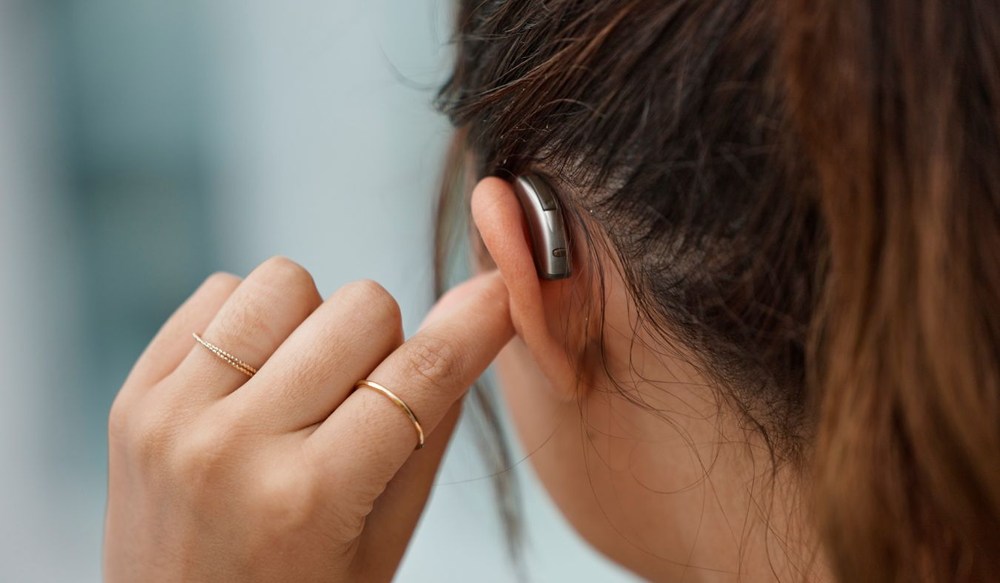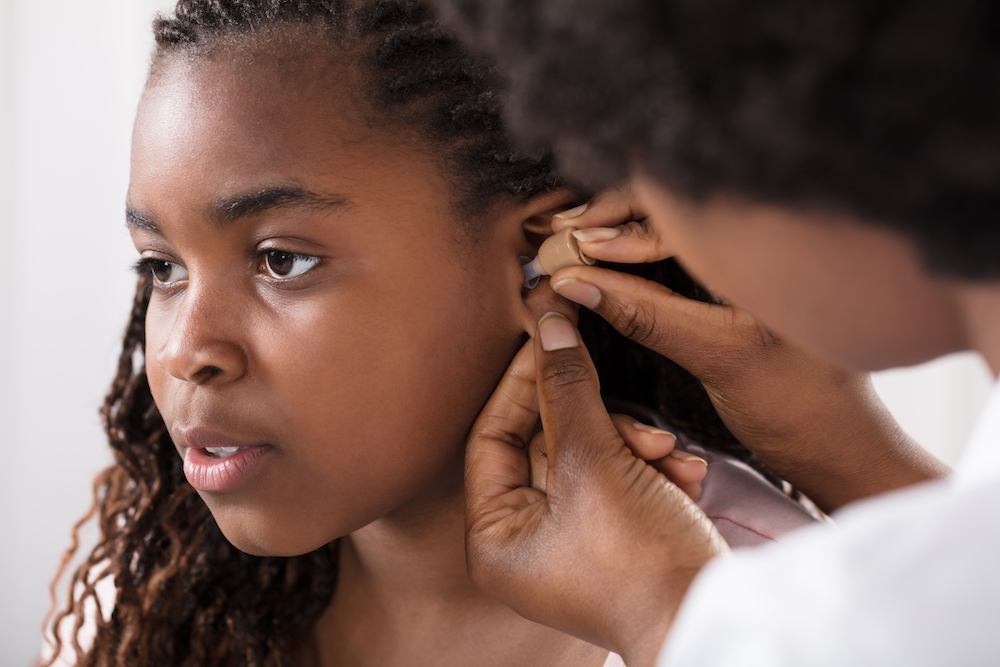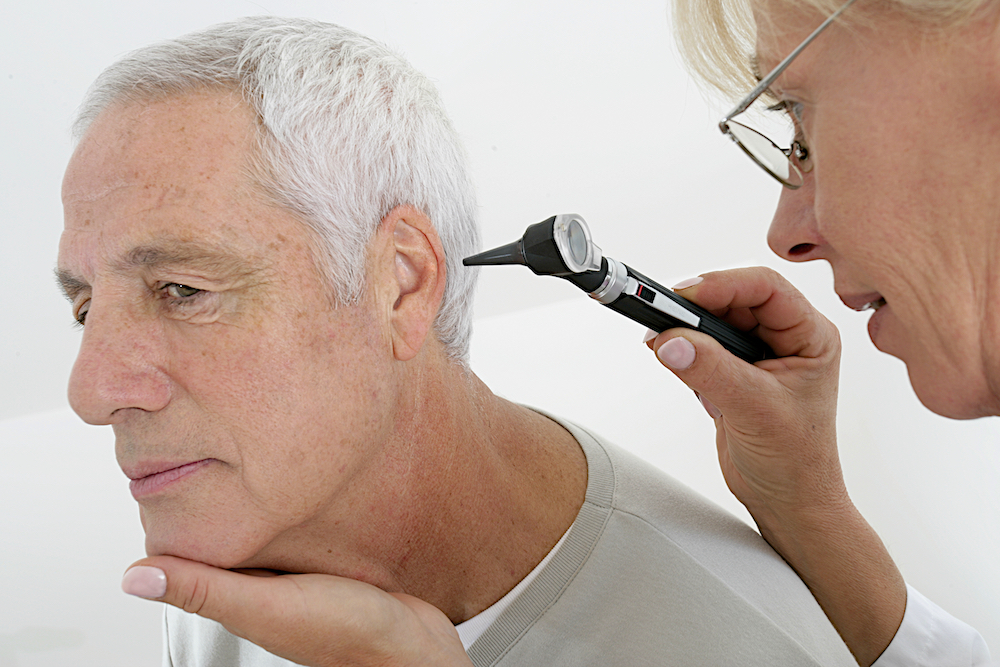
Modern hearing aids offer many options, but the features that truly matter are the ones that support how you listen day to day.

Focusing on settings that help in real situations, like following conversations, staying comfortable throughout the day or adjusting easily when your environment changes, can make a noticeable difference early on.

When the technology matches your routine and listening needs, hearing aids start to feel more useful and less like something you have to manage. Paying attention to these practical features helps the adjustment process feel more personal and reduces frustration, allowing hearing aids to fit more naturally into your daily life over time.

How Does Hearing Aid Technology Work?

Hearing aid technology works by capturing the sounds around you and shaping them in a way that makes speech easier to understand. Small microphones pick up sound, and a tiny computer inside the device analyzes it in real time, deciding which sounds need support and which ones should be softened.

The processed sound is then delivered to your ear at levels matched to your hearing needs, helping speech stand out while keeping everyday noises comfortable. All of this happens almost instantly, allowing you to hear conversations more clearly and naturally as you move through different listening situations during the day.

How Sound Quality Affects Everyday Listening

Sound quality plays a big part in how comfortable and natural everyday listening feels. When sound quality is poor, voices may lack clarity, making words harder to understand even when they are loud enough.

You might notice that speech sounds flat, sharp or mixed in with background noise, which can make conversations tiring and less enjoyable. These issues can show up in many settings, from quiet one-on-one talks to busier environments like meetings or social events.

Clear, balanced sound helps your brain focus on what is being said, making daily interactions easier and more relaxed.

How Does Noise Reduction Work?

Noise reduction in hearing aids is designed to make it easier to focus on the sounds that matter most, especially speech, while minimizing distracting background noise.

The device detects steady or repetitive sounds, like the hum of an air conditioner or the buzz of a busy street and reduces their volume so they are less noticeable. This allows conversations to come through more clearly without you having to strain or constantly adjust your hearing aids. The result is a more comfortable listening experience that helps you stay engaged in everyday activities without being distracted by surrounding sounds.

How Do Directional Microphones Help with Clear Speech?

Directional microphones help hearing aids focus on the sounds you want to hear, especially speech, by paying more attention to what is happening in front of you.

When you are talking with someone face to face, these microphones pick up their voice more strongly while reducing sounds coming from other directions. This can make conversations feel clearer in places where multiple sounds are competing for your attention, like group settings or public spaces.

What is Feedback Reduction?

Feedback reduction is a feature in hearing aids that helps prevent the high-pitched whistling or squealing sounds that can happen during use. This noise often occurs when sound escapes from the ear and gets picked up again by the microphone, creating a loop.

Feedback reduction works by detecting these problem sounds and adjusting them before you ever notice them. As a result, you can wear your hearing aids more comfortably and confidently in everyday situations, like hugging someone, wearing a hat or adjusting the device, without worrying about unwanted noise.

Bluetooth Features and Wireless Streaming for Convenience

Bluetooth features and wireless streaming have made it easier to connect your hearing aids with the devices you use most. With Bluetooth, you can stream phone calls, music or TV audio directly to your hearing aids without extra cords or accessories.

This provides clearer sound and more control over what you hear. Ask your audiologist about Bluetooth options to see how this technology could make daily listening simpler for you.

Customizing Hearing Aid Settings for Personal Comfort

Hearing aids are most helpful when they are adjusted to match how you hear and live each day. Everyone has different listening needs depending on their work, hobbies and social routines, so default settings rarely fit perfectly.

Personal adjustments can fine-tune volume levels, balance sounds between ears and shape how speech and background noise are handled. These changes help sounds feel more natural and reduce the need to constantly adjust your devices throughout the day.

Comfort also plays a big part in how successful hearing aids feel over time. Small setting changes can reduce listening fatigue, limit sharp or harsh sounds and improve how your own voice is perceived.

As you spend more time wearing your hearing aids, you may notice situations where sounds feel off or distracting. Sharing this feedback allows your audiologist to make targeted updates that better support your comfort.

Over time, these personalized adjustments help your hearing aids feel more like a natural part of how you hear.

Choosing Hearing Aid Features That Match Your Lifestyle

Your daily activities can help guide which hearing aid features will work best for you. If you spend time in busy places, noise reduction and directional microphones may be important.

If you often use your phone or watch TV, Bluetooth streaming could make things easier. People who are active outdoors might want hearing aids that won’t fall out or have longer battery life.

Think about what matters most to you each day, whether it is comfort, convenience or keeping up with conversations in groups. Talk with your audiologist about your habits and needs so we can recommend features that fit your lifestyle.

Asking questions during your appointment can help make sure your new hearing aids support the way you live.

Finding the Right Hearing Aid Features for Your Needs

Choosing hearing aids is about finding features that truly improve your daily life. Focusing on what matters most can help guide your decision. Features like noise reduction, directional microphones, Bluetooth streaming and custom settings all play a part in making conversations and activities more enjoyable.

If you are considering new hearing aids or want to get more from your current devices, schedule an appointment with an audiologist. They will answer your questions and help you find features that match your needs and lifestyle.