When hearing changes occur, certain everyday sounds can seem much louder or sharper than they used to. This happens because the delicate structures in the ear may process sound differently, making normal noises feel more intense.

Routine activities like talking in a busy room, listening to music or even running household appliances can become more noticeable or distracting. Understanding how these changes affect perception can help people adjust and find ways to stay comfortable in everyday environments.

How Your Ear Handles Everyday Sounds

Your ears work constantly to help you make sense of the world. Every day, they sort through a mix of soft, loud and sudden noises so you can focus on what matters most.

When hearing changes, this sorting process can become more difficult. Here are some ways your ears handle everyday sounds:

  • Filter out background noise so you can pay attention to important sounds.
  • Adjust to sudden changes in volume, like laughter or a slamming door.
  • Warn you when a sound is too loud, helping protect your hearing.

How Hearing Loss Can Make Every Day Sounds Seem Louder or Sharper

When hearing loss begins, the ear’s ability to process sounds evenly can be affected, making some noises seem louder or sharper than before.

Everyday sounds like clinking dishes, running water or traffic outside may feel more intense, even though the actual volume hasn’t changed. This happens because the ear and brain are adjusting to the parts of sound that are harder to detect, which can make certain frequencies stand out more. Over time, these shifts can make routine environments feel different from what you’re used to.

These changes can affect daily activities in noticeable ways. Conversations in crowded spaces may feel harder to follow, listening to music might require adjusting the volume more carefully and household tasks can seem louder or more distracting. Recognizing that these reactions are connected to changes in hearing helps you understand what’s happening and find practical ways to manage the sounds around you.

Reasons Loud Noises May Cause Discomfort

Loud noises can cause discomfort for a variety of reasons, especially when hearing has changed over time. The inner ear contains sensitive hair cells that respond to sound, and when certain sounds are more prominent, they can stand out more than before.

Extended time in noisy environments can also make the ears more aware of certain frequencies. Understanding how the ears respond helps you recognize situations where adjusting the sound or taking a short break can make listening easier.

Some common reasons loud sounds may feel more noticeable include:

  • Sudden or unexpected noises that the ear isn’t prepared for.
  • Continuous exposure to higher-volume sounds for extended periods.
  • Sounds with high-pitched or sharp frequencies that the ear picks up more easily.
  • Changes in hearing that make some frequencies feel more pronounced.
  • Fatigue from spending time in busy or noisy environments.

How Stress and Fatigue Affect Sound Sensitivity

Stress and tiredness can make sound sensitivity worse. When you are anxious or have not had enough rest, your body may react more strongly to noises that would not usually bother you. This happens because stress and fatigue lower your tolerance for loud or sudden sounds.

Taking steps to manage stress may help reduce how much certain sounds bother you. If you notice that discomfort with sound increases when you are tired or stressed, try to rest when possible and let an audiologist know about these patterns.

What is Sound Sensitivity?

Sound sensitivity occurs when everyday noises feel louder, sharper or more noticeable than they used to. It can happen when the ear or brain becomes more aware of certain frequencies, making routine sounds stand out in ways that might feel different from before.

This doesn’t necessarily mean the sound is harmful, but it can make activities feel more intense. Understanding sound sensitivity can help you recognize these changes and find ways to stay comfortable in everyday environments.

How the Brain Adjusts to Changes in Hearing

When hearing changes, your brain works hard to make sense of new sound patterns. It tries to fill in missing details and helps you focus on important sounds, even when some noises are now harder to hear.

This process is like learning a new skill, your brain needs time and practice before everyday sounds feel normal again.

Over time, many people notice improvement as their brains get better at handling these changes. With support from an audiologist and patience, you can find ways for your brain and ears to work together more smoothly.

Ways to Make Loud Sounds Less Uncomfortable

There are several ways to make loud sounds less uncomfortable. Wearing earplugs in noisy places or lowering the volume on TVs and music can help. Taking breaks from loud environments and using soft background noise, like a fan or gentle music, may also help your ears feel more at ease.

Knowing When to Contact an Audiologist

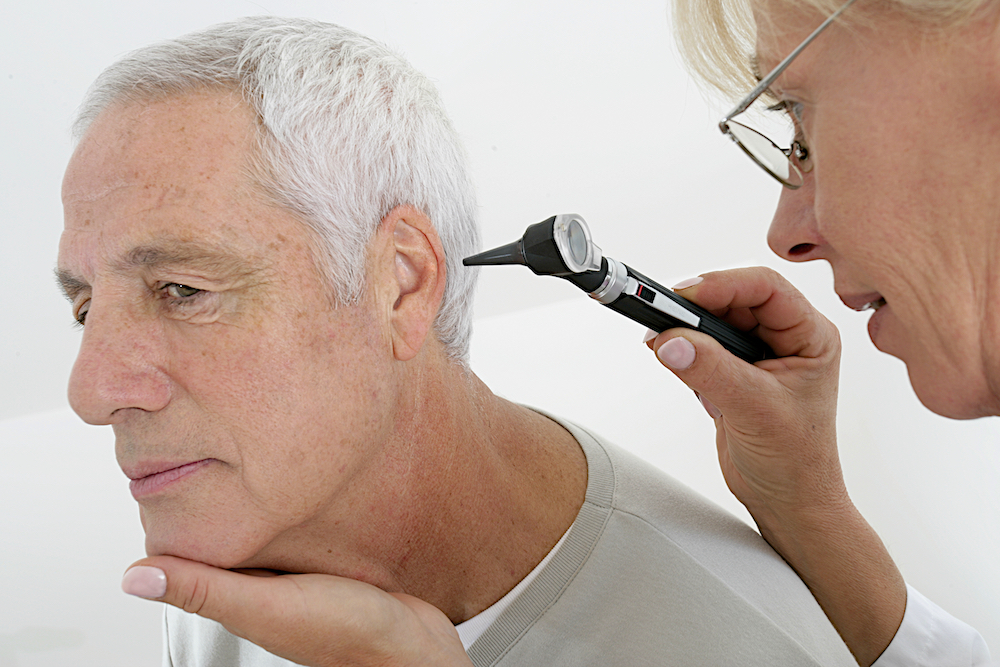
It’s important to know when to reach out to an audiologist if sounds start to feel sharper or more intense than usual. Even if the change is subtle, an audiologist can evaluate your hearing and determine whether adjustments or protective strategies are needed.

Seeking guidance early can help you manage sound sensitivity and maintain comfort in everyday activities. Regular check-ins also provide a clear picture of your hearing health over time, making it easier to address changes before they start affecting daily life.

Get in Touch with an Audiologist

Many people notice shifts in how their ears and brain process everyday noises, which can make familiar places and activities less enjoyable. Understanding these changes is an important step toward finding relief and staying active in your daily life.

If you notice that sounds are causing discomfort or making it difficult to join conversations, schedule an appointment with an audiologist. They can explore options like custom ear protection, sound therapy or hearing aids that may help manage sensitivity. Taking steps now can help protect your comfort and keep you connected with the people and experiences that matter most.