Earwax, or cerumen, is something your body produces naturally to protect your ears from dust, bacteria and other irritants, but sometimes it builds up more than it should and starts causing problems.

You might notice that sounds seem muffled, your ears feel plugged or uncomfortable or your hearing aids aren’t working as well as they used to because wax is blocking the devices or your ear canal.

While it’s tempting to try cleaning your ears at home with cotton swabs or other tools, doing it the wrong way can push wax deeper or damage your ear canal. Professional earwax management through ensures that the wax is removed safely and effectively, so you can hear clearly again throughout the day.

Why Earwax Matters for Healthy Ears

Earwax is important for maintaining healthy ears because it protects them from dust, bacteria and other particles that could cause irritation or infection.

It also helps keep the ear canal slightly moisturized, preventing dryness and itching. While it might feel bothersome when it builds up, earwax is a natural part of the ear’s defense system and usually moves out of the ear on its own over time.

Caring for earwax and practicing good ear hygiene can help prevent blockages that affect hearing or cause discomfort.

Signs Earwax May Be Reducing Your Hearing

You may notice that earwax is affecting your hearing when everyday sounds start to seem muffled or quieter than usual.

Conversations may feel harder to follow, especially in noisy environments and you might find yourself asking people to repeat what they said more often. Some people also notice a sense of fullness or pressure in the ear, which can make it uncomfortable to wear headphones or hear clearly.

Other signs can include ringing or buzzing in the ear, known as tinnitus or occasional popping and crackling sounds when swallowing or yawning.

If you experience any of these symptoms and they don’t go away on their own, it could indicate that earwax is blocking the ear canal. Checking with your audiologist can help determine if earwax buildup is affecting your hearing and whether removal or treatment is needed.

How Audiologist Look for Earwax Buildup

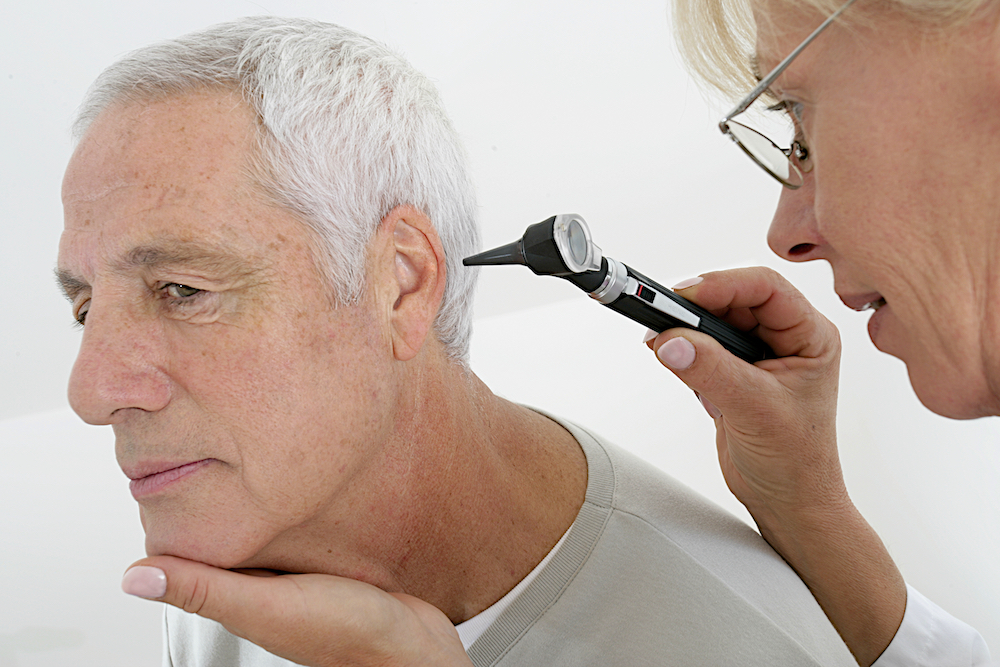
When checking for earwax buildup, it typically begins by examining the ear canal with a small, lighted instrument called an otoscope.

This allows them to see whether earwax is present and how much of the canal it may be blocking. Your audiologist can also assess whether the wax is soft and easy to remove or hardened and more impacted, which can affect hearing and comfort.

Your audiologist may use a microscope for a closer view, especially if the wax is deep in the canal or difficult to see clearly.

They will carefully observe how the ear canal and eardrum look to ensure there are no signs of irritation or infection. This visual inspection helps your audiologist decide whether earwax removal is needed and which method will be safest and most effective.

How is Earwax Removed?

When earwax buildup affects hearing or causes discomfort, an audiologist can remove it safely using methods designed to protect the ear canal and eardrum.

The approach depends on how much wax is present and whether it is soft, hard or impacted. Different techniques are used to gently clear the canal without causing injury.

Different removals include:

  • Manual removal using small tools like a curette or suction device.
  • Flushing the ear with a controlled stream of water or saline solution.
  • Softening the wax beforehand with drops to make removal easier.
  • Microscopic guidance for precise removal, especially in more stubborn cases.

How Cerumen Management Affects Hearing Aids and Earmolds

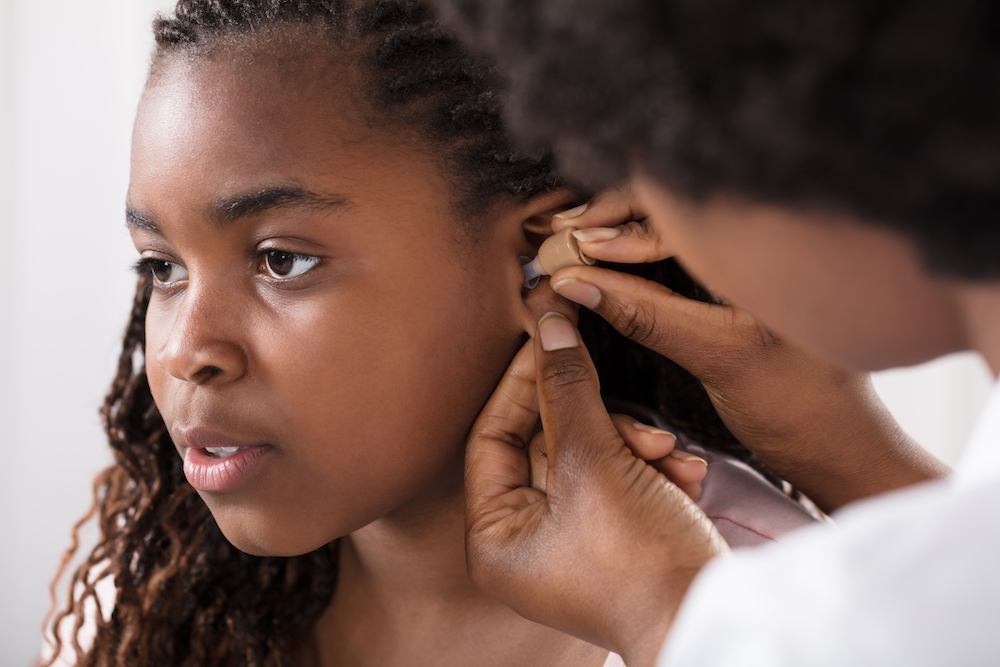
If you use hearing aids or earmolds, earwax management becomes even more important.

Wax can block the tiny openings in hearing aids, clog sound tubes and build-up on earmolds. This can make sounds weak, distorted or stop them altogether.

If this happens, you may think your hearing aids are broken when they are just blocked with wax. Regular cerumen checks help keep your devices working.

Earwax that is not managed can also lead to more repairs, shorter device life and extra trips back to the clinic. Moisture and wax together can be especially hard on small electronic parts inside hearing aids.

An audiologist can clean both your ears and your hearing devices in a safe way, so sound stays clear. With steady care and good wax control, you give your hearing aids and earmolds a better chance to support you each day.

How Often You May Need Professional Care

How often you need professional earwax care depends on your ears, your health and whether you use hearing aids or earmolds.

Some people rarely build-up wax and only need occasional checks. Others form thicker or drier wax that tends to block the ear canal more often and needs regular attention from an audiologist. Skin issues, narrow ear canals or past ear surgeries can also affect how often care is needed.

Understanding your own pattern of wax buildup helps you plan checkups before problems start instead of waiting until hearing suddenly feels blocked. This can mean fewer urgent visits, less worry about unexpected changes in hearing and better long-term comfort with your hearing aids and earmolds.

Your audiologist can help you set a schedule that fits your needs, whether that means every few months or only once in a while.

Staying on Top of Earwax for Clearer Hearing

Cerumen management may seem like a small part of ear care, but it has a big impact on how well you hear day to day.

When earwax is checked and removed safely in a clinic, it can clear blocked hearing, protect your eardrum and ear canal and help your hearing aids or earmolds work closer to their best. You do not need to wait until sounds are very muffled or your ears feel painful or plugged before asking about it.

If you have questions about safe ear cleaning at home, how often you should have wax checks or whether cerumen buildup might be affecting your hearing aids, schedule an appointment with an audiologist.