A sudden whistle from your hearing aid can catch you off guard, especially when everything sounded fine just a few minutes ago. You might hear it once while putting the device in or notice that it comes and goes at different points during the day.

It’s easy to wonder whether something has happened to the hearing aid when the sound appears without warning. Feedback can happen for several reasons, though, and it doesn’t automatically mean the device is damaged or beginning to fail.

What you were doing when the whistling started may offer some signs about where it’s coming from. A few simple checks can often tell you more about what’s happening and whether your hearing aid needs to be looked at.

What Is Hearing Aid Feedback and Whistling?

Hearing aid feedback is a sound loop that develops between the speaker and microphone. The speaker sends amplified sound into your ear, but some of that sound can escape and travel back toward the microphone.

The hearing aid picks it up again, amplifies it and sends it back through the speaker. As this cycle repeats quickly, it produces the high-pitched whistle or squeal associated with feedback.

The pitch and volume of the whistle can vary depending on the frequencies being amplified and how much sound is feeding back into the microphone.

Situations That Commonly Trigger Feedback and Whistling

A whistle may start when an object or movement changes how sound travels around the hearing aid. It may last only while that object is close to the device.

This can happen when you:

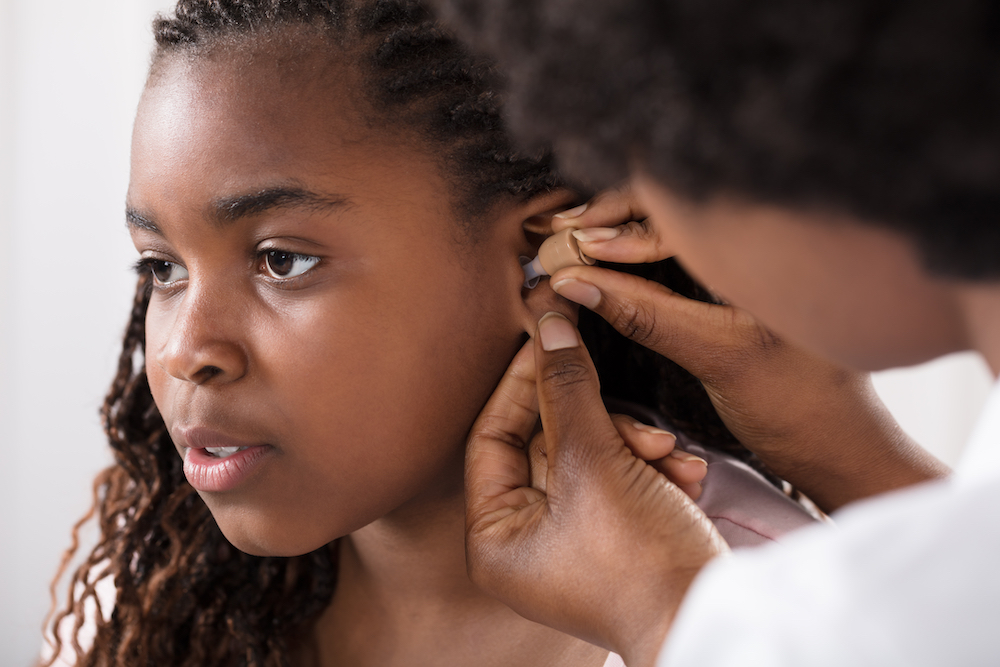
    • Put the hearing aid in or take it out.
    • Hold a phone close to the hearing aid.
    • Pull a hat or hood over your ears.
    • Rest the side of your head against a pillow.
    • Hug someone whose head comes close to your hearing aid.
    • Brush or style your hair near the device.
    • Place your hand over the hearing aid while adjusting it.

How Hearing Aid Fit and Placement Can Cause Unwanted Noise

Placement matters too. If the device isn’t inserted to the same depth each time, the sound path can change enough to trigger feedback.

Changes in ear shape, weight loss or an older earmold can also affect the fit over time, even if the hearing aid itself is working normally.

How Earwax and Ear Canal Shape Can Lead to Feedback Problems

Earwax doesn’t have to completely block the canal to interfere with a hearing aid. Even a smaller amount near the receiver can change the space available for sound inside the ear.

The canal itself may be narrow, curved or wider in certain areas and those differences affect how an earpiece sits once it’s inserted.

Your ear canals may not have the same shape either. An audiologist can examine these details when feedback keeps returning in one ear, even when both hearing aids have similar settings.

When Cleaning Earmolds Tubing and Vents Helps Reduce Noise

An earmold has small openings that need to stay clear for sound and air to move as intended. Wax inside the sound opening can partly block the amplified signal before it reaches your ear.

In tubing, a drop of trapped moisture can interrupt the signal or cause bubbling and crackling sounds.

The vent has a different job. It lets air move between the ear canal and the outside, which changes pressure and the way lower-pitched sounds behave.

Cleaning these areas removes material that can interfere with those functions. Cracked or hardened tubing needs replacement rather than cleaning because it can let sound escape through the damaged section.

Simple At Home Checks for Basic Hearing Aid Feedback Fixes

When your hearing aid starts whistling, there are a few things you can check before assuming the device needs to be repaired.

A quick look at how it’s sitting and the parts you normally clean may point you toward the cause. Start with these checks:

    • Remove the hearing aid and put it back in, making sure the earpiece is fully seated.
    • Check the dome or earmold for cracks, warping or other visible damage.
    • Look at the wax guard and sound opening for buildup.
    • Make sure tubing is firmly attached and doesn’t have cracks or trapped moisture.
    • Move hats, glasses or hair away from the hearing aid and listen for a change.
    • Lower the volume slightly and see whether the whistling stops.
    • Compare both hearing aids to see whether the feedback is happening on only one side.

Getting the Right Solution for You

When the whistling keeps returning, there may be something about the fit, ear or device that needs to be checked. You don’t have to keep adjusting the hearing aid and hoping the noise goes away.

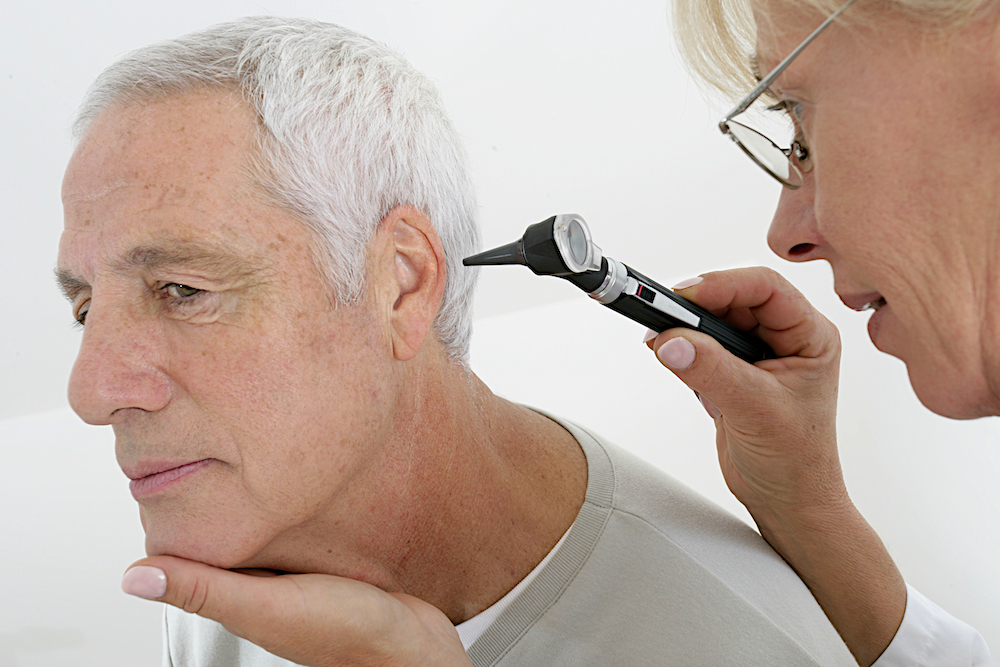
An audiologist can examine both your ear and hearing aid to find where the feedback is coming from. They can also make changes to the fit or programming when needed.

That means you can get back to wearing your hearing aids without the whistle becoming part of your day. If you have noticed feedback or whistling with your hearing aids, schedule an appointment with an audiologist.