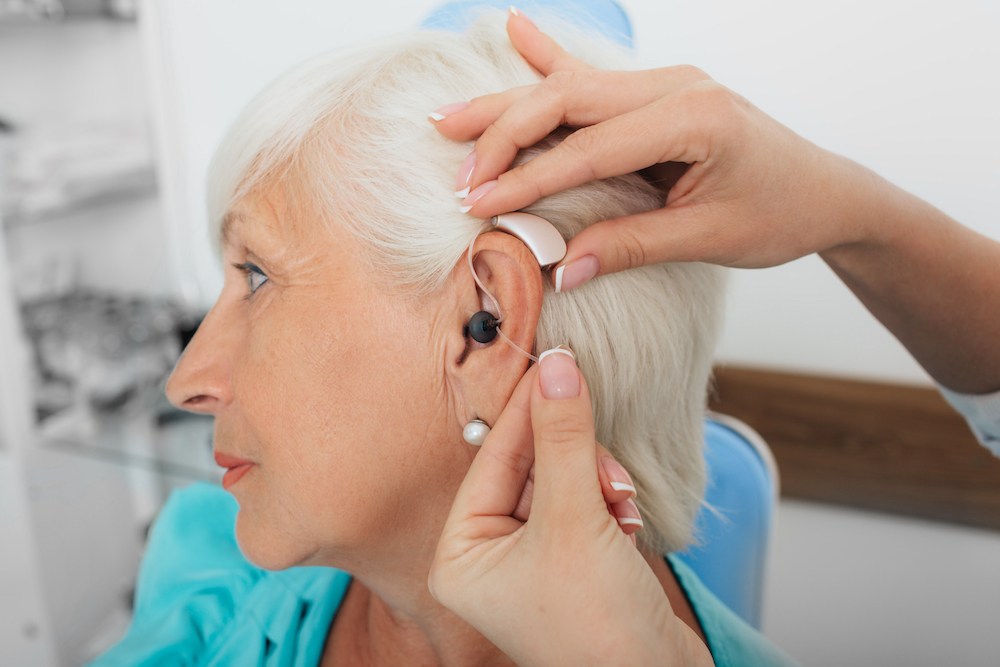
Daily care for hearing aids is a simple habit that makes a real difference in how well they perform and how long they stay reliable.

Earwax, sweat, skin oils and dust can build up on small parts and block sound or cause damage. Even careful use during the day exposes devices to moisture and debris that are easy to overlook.

When cleaning becomes part of your regular routine, sound stays clearer, sudden problems are less likely and you may need fewer repair visits. A few minutes of attention each day supports steady hearing support so that important conversations, alerts and everyday sounds remain as clear as possible.

Why Daily Cleaning Helps Your Hearing Aids Work Their Best

Keeping your hearing aids clean every day helps them perform at their best and last longer. Dirt, earwax and moisture can build up on the device or in the microphones, which can make sounds less clear or reduce battery life.

Taking a few minutes to wipe down your hearing aids and check for blockages ensures they continue to deliver clear sound throughout the day. Regular care also helps prevent minor issues from turning into bigger problems that require professional attention.

Daily cleaning makes using your hearing aids a smoother experience and reduces frustration in everyday situations. When the devices are free of debris, you’re less likely to miss parts of conversations or struggle with background noise.

Consistent maintenance also makes it easier to notice when something isn’t working right, so you can address it quickly. A simple cleaning routine helps you get the most out of your hearing aids and keeps them reliable for all the activities you rely on them for.

Key Parts of Your Hearing Aids That Need Regular Care

To keep your hearing aids working well, it helps to know which parts need regular care. Paying attention to these areas can prevent blockages, reduce feedback and maintain sound quality:

  • Microphones: Clean gently to avoid dust and wax buildup that can muffle sound.
  • Earmolds or domes: Check for wax and moisture that can affect fit and comfort.
  • Battery compartment or rechargeable contacts: Keep dry and free of debris for reliable power.
  • Tubing or sound ports: Make sure they are clear so sound passes through without obstruction.

Safe Cleaning Tools and Supplies for Everyday Use

Using the right tools can make everyday hearing aid cleaning simple and safe. Soft brushes, wax picks and small cloths are designed to remove debris without damaging delicate parts.

You can also use drying kits or dehumidifiers to keep moisture from affecting the electronics. Choosing supplies made specifically for hearing aids helps protect both the device and your hearing.

It’s important to avoid household items like cotton swabs or paper towels, which can push wax deeper or scratch surfaces. Many hearing aid brands offer cleaning kits that include everything you need for routine care.

Keeping a small set of tools on hand makes it easier to maintain your devices daily, so your hearing aids stay reliable and comfortable without adding extra stress to your routine.

How to Gently Clear Earwax from Openings and Sound Ports

Keeping the openings and sound ports of your hearing aids clear from earwax is important for maintaining sound quality.

You can start by using a soft, dry cloth or a small brush designed for hearing aids to gently remove any visible buildup. Avoid using sharp objects or anything that could push wax further into the device, as this can cause damage or block sound.

For more stubborn wax, specialized cleaning tools like wire loops or tiny brushes made for hearing aids can help, but they should be used carefully and lightly. Taking a few minutes each day to check and clean these areas ensures that your hearing aids continue to deliver clear sound and remain comfortable to wear throughout the day.

How to Store Your Hearing Aids Safely When Not in Use

Storing your hearing aids properly when you’re not wearing them helps protect them from damage and keeps them working reliably.

It’s best to keep them in a hard case or charging station, away from heat, moisture or direct sunlight. This prevents accidental drops, exposure to dust and other environmental factors that can interfere with performance.

You should also remove the batteries or ensure rechargeable aids are properly docked to avoid unnecessary wear. Keeping your hearing aids in a consistent, safe spot each day makes it easier to grab them when you need them and reduces the risk of losing small parts.

Proper storage supports their longevity and helps your devices continue to deliver clear sound without interruptions.

When to Talk with an Audiologist

If you notice that your hearing aids aren’t sounding as clear as usual or you hear more feedback than normal, it’s a good idea to reach out to your audiologist.

Problems with volume, distortion or intermittent sound can sometimes be caused by buildup or issues that aren’t easy to fix with daily cleaning alone. Talking with your audiologist early can help prevent minor issues from becoming more serious and ensure your devices continue to work effectively.

You should also contact your audiologist if you notice physical damage, like cracks in the earmold, broken tubing or loose parts. Even small changes in fit or comfort can affect how well your hearing aids work throughout the day.

Regular check-ins allow your audiologist to address these concerns, make adjustments and provide tips for keeping your devices in top condition, so you can rely on them for clear hearing every day.

Daily Care Habits That Help Your Hearing Aids Stay Clear and Reliable

Daily cleaning and careful handling help your hearing aids stay clear, comfortable and ready for each day. Even small habits like wiping them at night, using the right tools, managing moisture during the day and storing them in a dry case can protect your devices from damage.

If any step feels confusing or you are unsure which products to use, schedule an appointment with an audiologist. A quick check can confirm that your hearing aids are working well and that your daily care steps are on track. Professional cleanings, wax guard changes and simple adjustments can often prevent bigger problems later on.