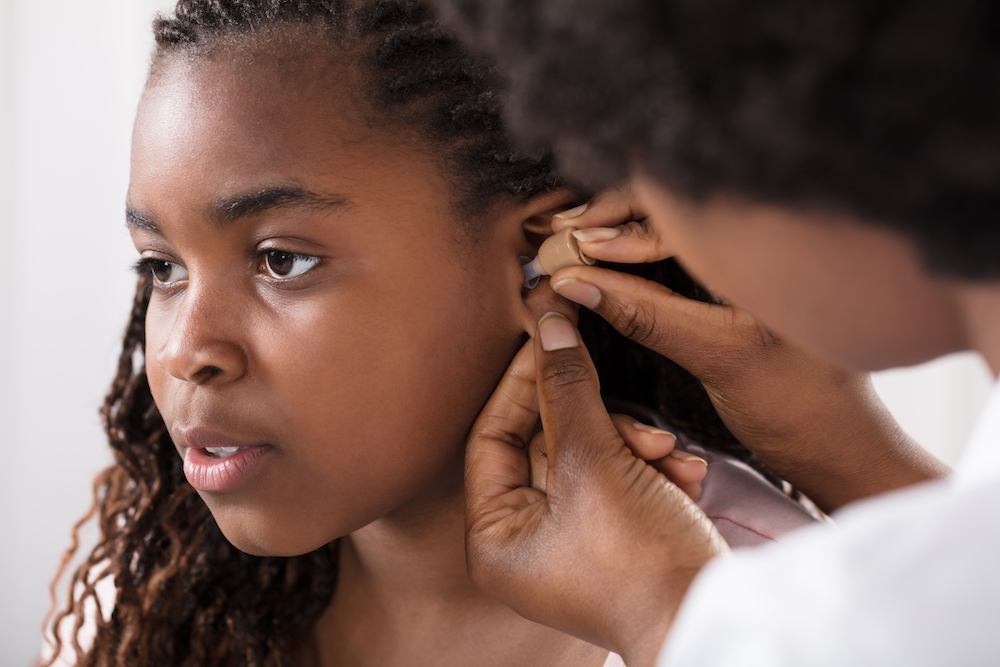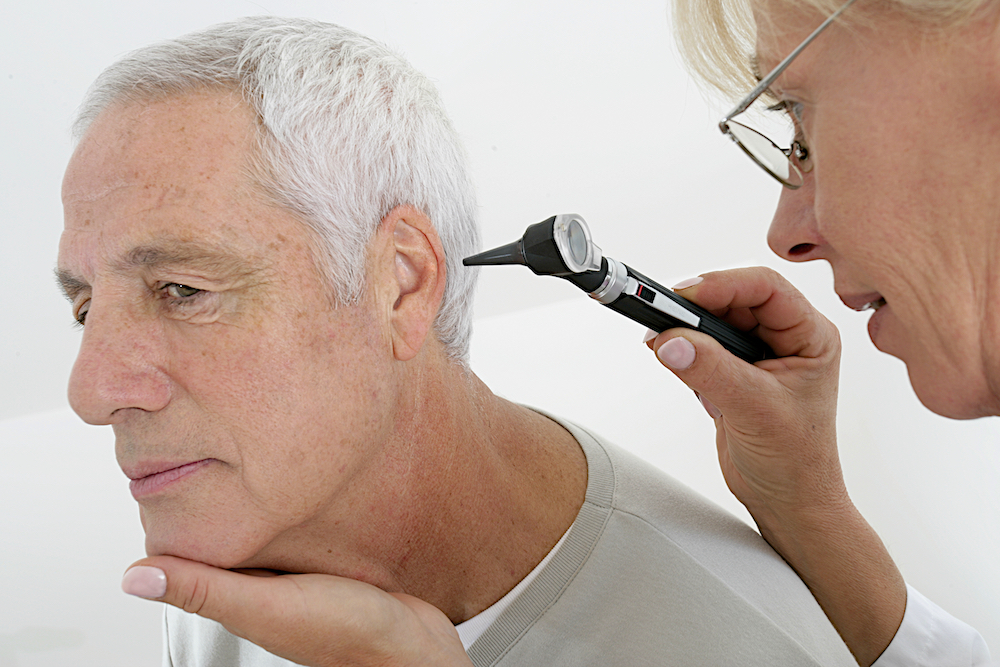
When you start looking into hearing help, one of the first choices you face is how the hearing aid sits and sounds in your ear each day. Two common styles can look similar from the outside yet feel and perform very differently once you put them on.

If you are not familiar with these options, it can be hard to know which one will give you clearer sound, better comfort and less frustration in daily life.

An audiologist will help you look at how each style works in real situations that matter to you, like talking with family, being in busy places or watching television.

How Do Hearing Aids Let Sound Reach Your Ear

Hearing aids work by capturing sound from your environment and delivering it directly to your ear in a way that matches your hearing needs.

A small microphone picks up the sounds around you, and the device’s processor adjusts the volume and tone so that speech and important noises are easier to detect. The amplified sound then travels through a speaker or receiver into your ear canal, where it reaches the eardrum and inner ear, allowing your brain to interpret it.

This process helps you hear sounds that might otherwise be too soft or unclear, making conversations and activities more manageable.

What Open and Closed-Fit Hearing Solutions Are and How They Work

Open and closed-fit hearing solutions are two common ways hearing aids are designed to sit in your ear, and each effect how sound reaches your ear canal.

Open-fit hearing aids leave the ear canal partially open, which allows some natural sound to enter along with the amplified sound from the device. This can make your own voice feel more natural and reduce the sensation of fullness in the ear while still helping you hear soft or distant sounds more clearly.

Closed-fit hearing aids, on the other hand, seal the ear canal more fully. This type of fit can provide stronger amplification and better control over background noise, which can be useful for people with more significant hearing loss.

Because the ear canal is mostly blocked, the device directs more sound from the hearing aid itself, which can make quiet sounds easier to hear.

Both types are designed to match your hearing needs and personal comfort, and your audiologist can help determine which fit works best for your lifestyle and listening environments.

How Your Type of Hearing Loss Can Guide an Open or Closed Fit

The type of hearing loss you have plays an important role in deciding whether an open or closed-fit hearing aid will work best for you.

An open fit leaves the ear canal more open, which can be helpful if you have mild-to-moderate high-frequency hearing loss, allowing low-frequency sounds to enter naturally while the device amplifies the higher pitches.

In contrast, a closed fit seals the ear canal, which can be better for people with more significant hearing loss or when background noise needs to be reduced, as it allows the hearing aid to deliver sound directly without interference from outside noise.

Audiologists also consider how each fit affects comfort, sound quality and feedback control. An open fit can feel lighter and less occlusive, making your own voice sound more natural, while a closed fit can provide more powerful amplification and help manage louder environments.

Choosing the right fit based on your type of hearing loss ensures that your hearing aids provide the most effective support for your everyday listening needs.

Questions to Ask Your Audiologist When Comparing These Choices

When you sit down with your audiologist, having a short list of clear questions can help you compare open and closed fits in a way that matches your real-life needs.

You might ask:

  • How will each style affect how my own voice sounds?
  • How does each style handle background noise in places I go often?
  • What will my cleaning and care routine look like with each option?
  • How easy is it to adjust or change domes or molds if my needs change?
  • Which style gives room for future changes in my hearing?

Asking how each style will affect your own voice, background noise, ear comfort, cleaning routine and future adjustments gives you a better idea of what daily life will feel like. This helps you choose hearing aids that support your hearing goals and long term ear health.

Steps to Take Before Your Fitting Appointment to Prepare for a Decision

Before your fitting, one common problem is walking into the office without a clear idea of what matters most to you.

A helpful step is to write down the top situations where you want better hearing, like family dinners, phone calls, meetings at work or watching TV. Bring that list so your audiologist can match open or closed fits to those real moments instead of guessing what might help.

Another frequent issue is feeling rushed by new terms and choices during the visit. To feel more in control, keep a small notebook or use your phone to list questions ahead of time. Ask if you can try both styles in the office, and note how each one makes your own voice and background sounds seem. Taking a few minutes after the visit to review your notes can make it easier to compare options to help make the right choice for your needs.

Choosing the Hearing Fit That Matches Your Everyday Life

Choosing between open-fit and closed-fit hearing solutions means finding what works best for your ears, your hearing test results and your life. Open fits often feel lighter and more natural for many people, while closed fits can give stronger control and support when hearing loss is greater or sound environments are more demanding.

If you are unsure where to start, schedule a hearing check with an audiologist. At that visit, you can compare open and closed fits side by side, so you hear the difference with your own ears instead of guessing.